

A Wider View for High-Risk Missions: 360° Vision for Unmanned Field Inspection
Using panoramic cameras and AI detection to monitor outdoor areas, reduce blind spots, and respond with better context.
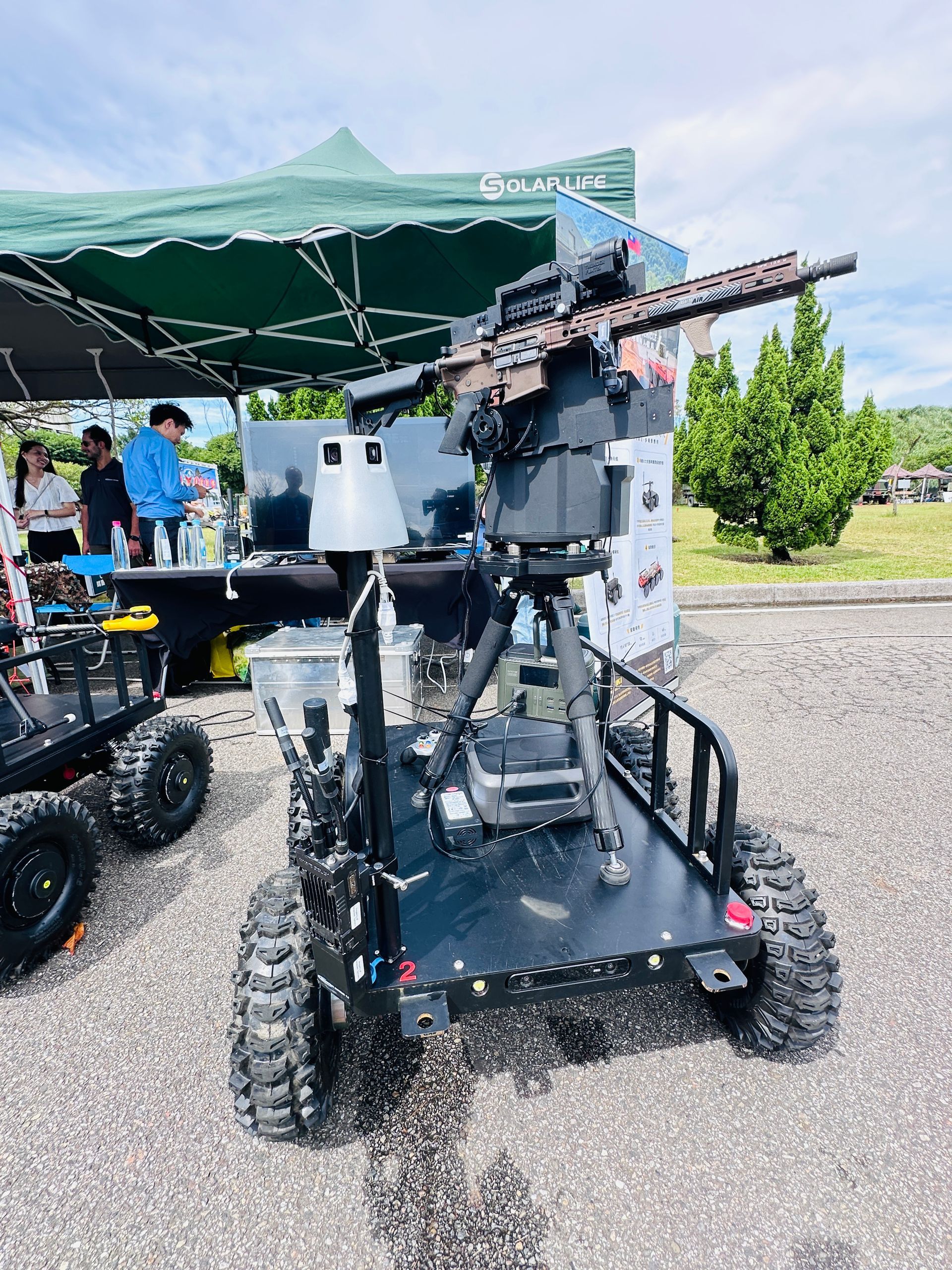
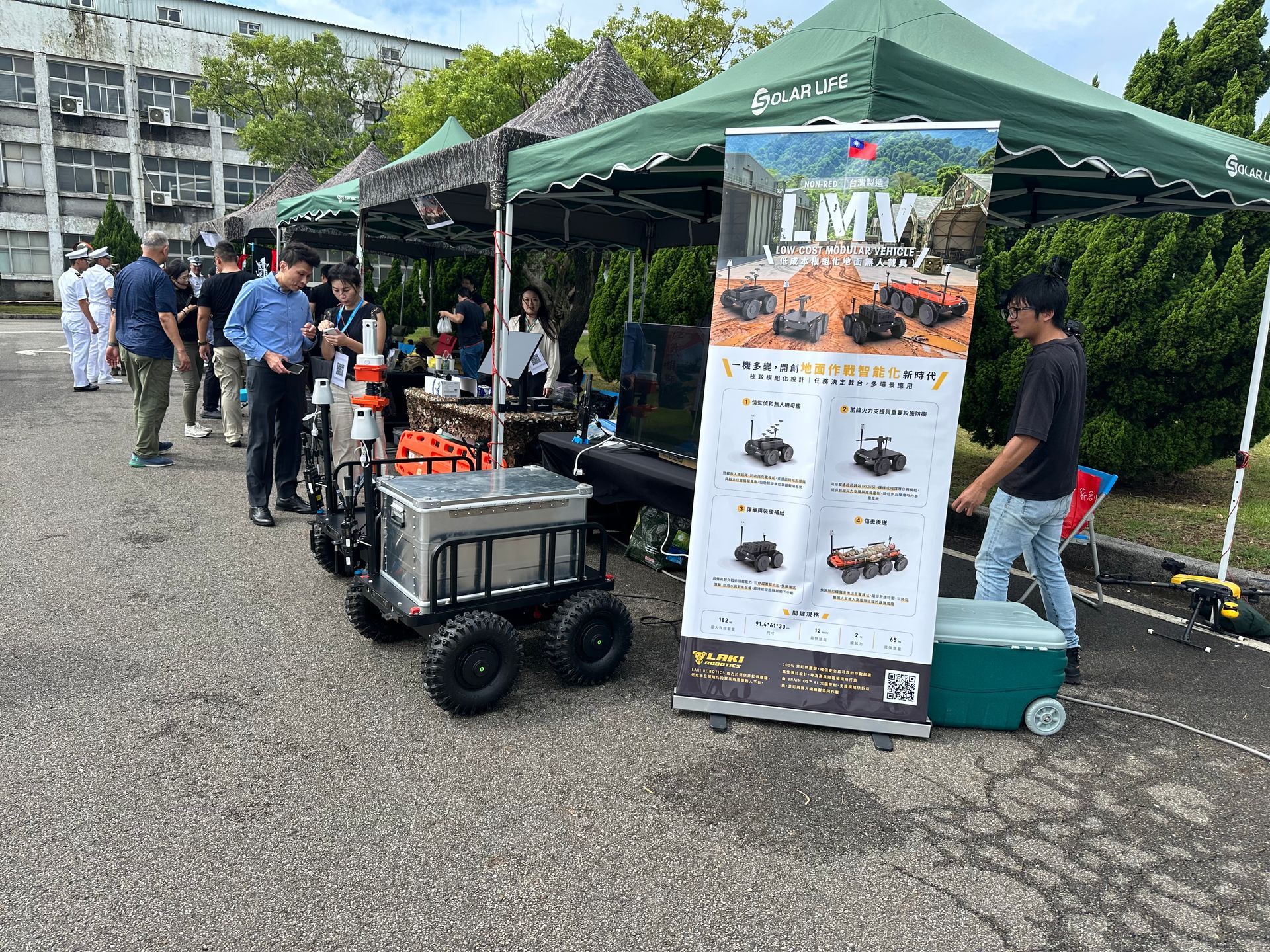
At the Marine Corps 79th Anniversary event in Taiwan, Cupola360 and partner LAKI ROBOTICS presented how 360° panoramic vision can support unmanned vehicles and mobile inspection platforms.
As unmanned ground vehicles, robotic dogs, and autonomous mobile platforms are increasingly explored for facility patrol, critical infrastructure monitoring, disaster inspection, and high-risk field operations, remote operators need more than a forward-facing camera. They need a broader understanding of the environment around the platform.
A traditional front-facing camera can help a vehicle move forward, but in a complex environment, a single viewing direction is often not enough. Are there people or obstacles on the sides? Has something changed behind the vehicle? Did a short-lived event appear at the edge of the scene and disappear before the camera turned?
Without full surrounding visibility, these details can become blind spots in remote operation and field decision-making.
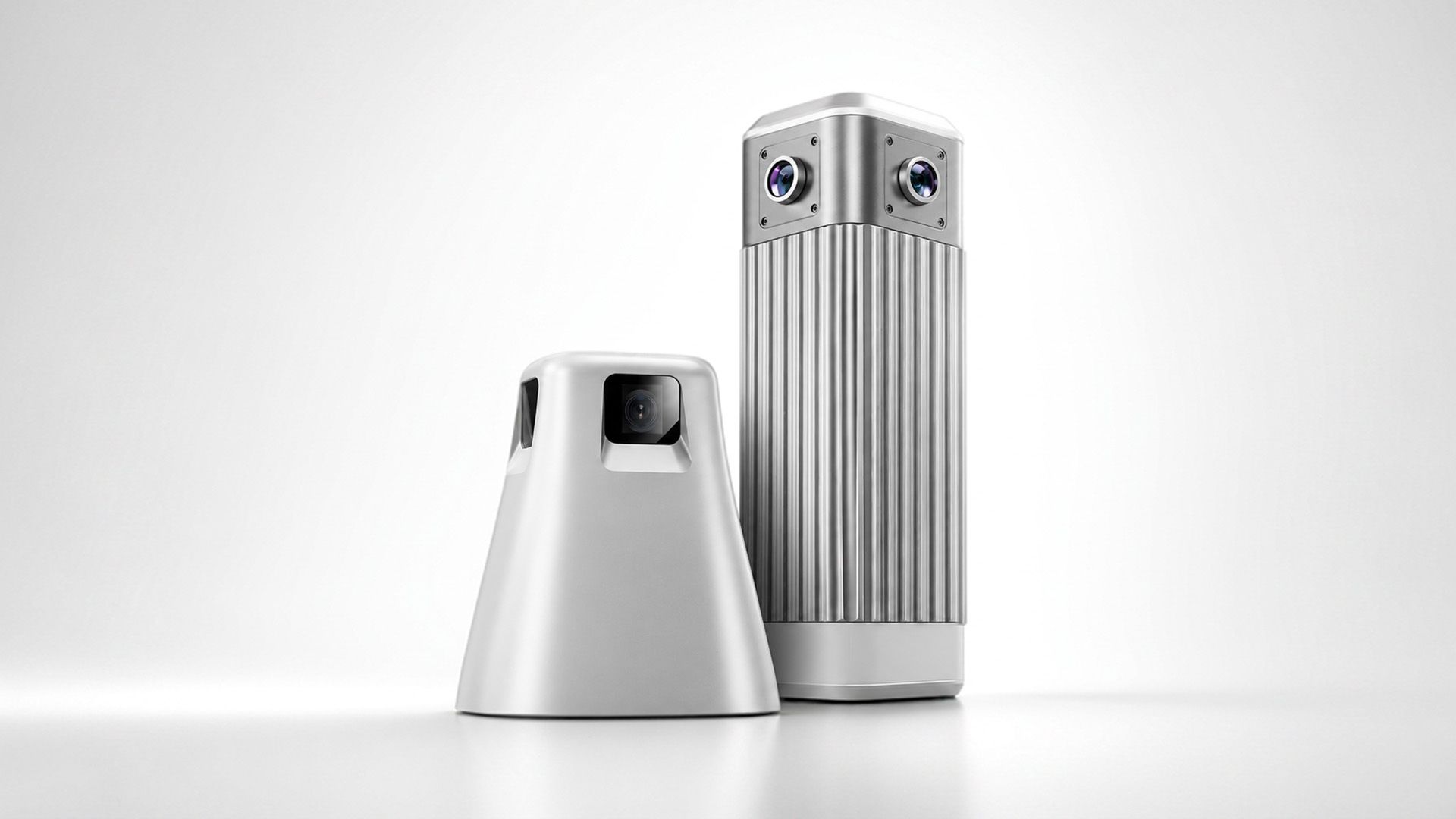
Cupola360 360° panoramic cameras can be mounted on unmanned vehicles, robotic dogs, inspection robots, or other mobile platforms to continuously capture full surrounding video. Even while the platform is moving forward, remote operators can still view the front, sides, and rear at the same time, reducing visual blind spots created by traditional fixed-view or front-facing cameras.
The value of this application is not to make unmanned systems more complex. It is to help mobile platforms bring back more complete visual context from the field.
Why Unmanned Systems Need 360° Visibility
The value of unmanned systems is not only that they can move into remote or high-risk areas. Their real value is that they allow personnel to stay at a safer distance while still understanding the field, assessing risk, and making faster decisions.
In real deployments, unmanned platforms often operate in uncertain environments: narrow corridors, facility perimeters, warehouses, underground spaces, damaged buildings, disaster sites, or other high-risk areas. Important changes may not appear directly in front of the vehicle. They may occur on the side, behind the platform, or at the edge of a camera’s field of view.
If operators rely only on a front-facing camera, they may need to constantly rotate the camera, adjust the vehicle direction, or wait until the platform turns before they can confirm the surrounding situation. This increases operating effort and may cause short-lived events to be missed.
360° panoramic vision helps unmanned systems move beyond “looking forward.” It preserves a full surrounding view, allowing remote operators to understand the relationship between the platform and its environment within one visual context.
High-Risk Area Inspection: See the Scene Before Taking the Next Step
In high-risk areas, the site may include suspicious objects, obstacles, damaged structures, smoke, chemical contamination, or other unknown hazards. Sending personnel directly into these environments may require extensive safety preparation and could expose people to unnecessary risk.
An unmanned vehicle equipped with a Cupola360 360° panoramic camera can enter the area first and transmit a broader view of roads, entrances, walls, obstacles, and environmental changes to the remote team. Operators can inspect different directions as needed, without depending entirely on the vehicle’s current direction of travel.
This turns field inspection from a forward-facing video feed into a more complete site assessment. When a team needs to decide whether personnel should enter, which route to take, what risks to avoid, or whether the environment is still changing, 360° panoramic video provides stronger visual context for decision-making.
Facility and Critical Infrastructure Patrol: Preserving Spatial Context
In facilities, factories, energy sites, warehouses, hangars, communication stations, or other critical environments, patrol work is not only about recording fixed points. It is about understanding the continuous condition of the site.
An unmanned vehicle can follow planned routes to patrol perimeters, corridors, equipment zones, and restricted areas. With a single-direction camera, the patrol record may capture only what appears in front of the platform. However, an event may occur on the side, behind the vehicle, or shortly after the platform passes a certain point.
360° panoramic video helps patrol records preserve spatial context. When an abnormal situation is detected, or when an event needs to be reviewed later, operators can look back at the full surrounding scene before and after the event. This makes it easier to understand the location of the incident, movement direction, nearby personnel, and equipment changes.
For sites that require long-duration patrols, multi-point monitoring, or remote management across different areas, full-scene visual records can make remote operations more efficient and event review more reliable.
Remote Situational Awareness: One Panoramic Scene for Multiple Teams
In mobile field operations, live video is often used by more than one operator. A management center, security team, engineering team, or decision-maker may all need to understand the on-site situation in real time.
Traditional video streaming often depends on the camera direction controlled by the front-line operator. Everyone watching the stream sees the same angle. When different roles need different information, a single viewpoint can limit collaboration.
360° panoramic video allows different users to enter the same visual scene and choose their own viewing direction. The operator can focus on vehicle movement, while remote personnel can inspect the side or rear environment. Engineers can look at equipment areas, while managers can quickly understand the overall field condition.
This changes remote collaboration from “watching the same camera angle” to sharing the same panoramic scene, where each team member can access the visual information most relevant to their task.
How Cupola360 Supports This Application
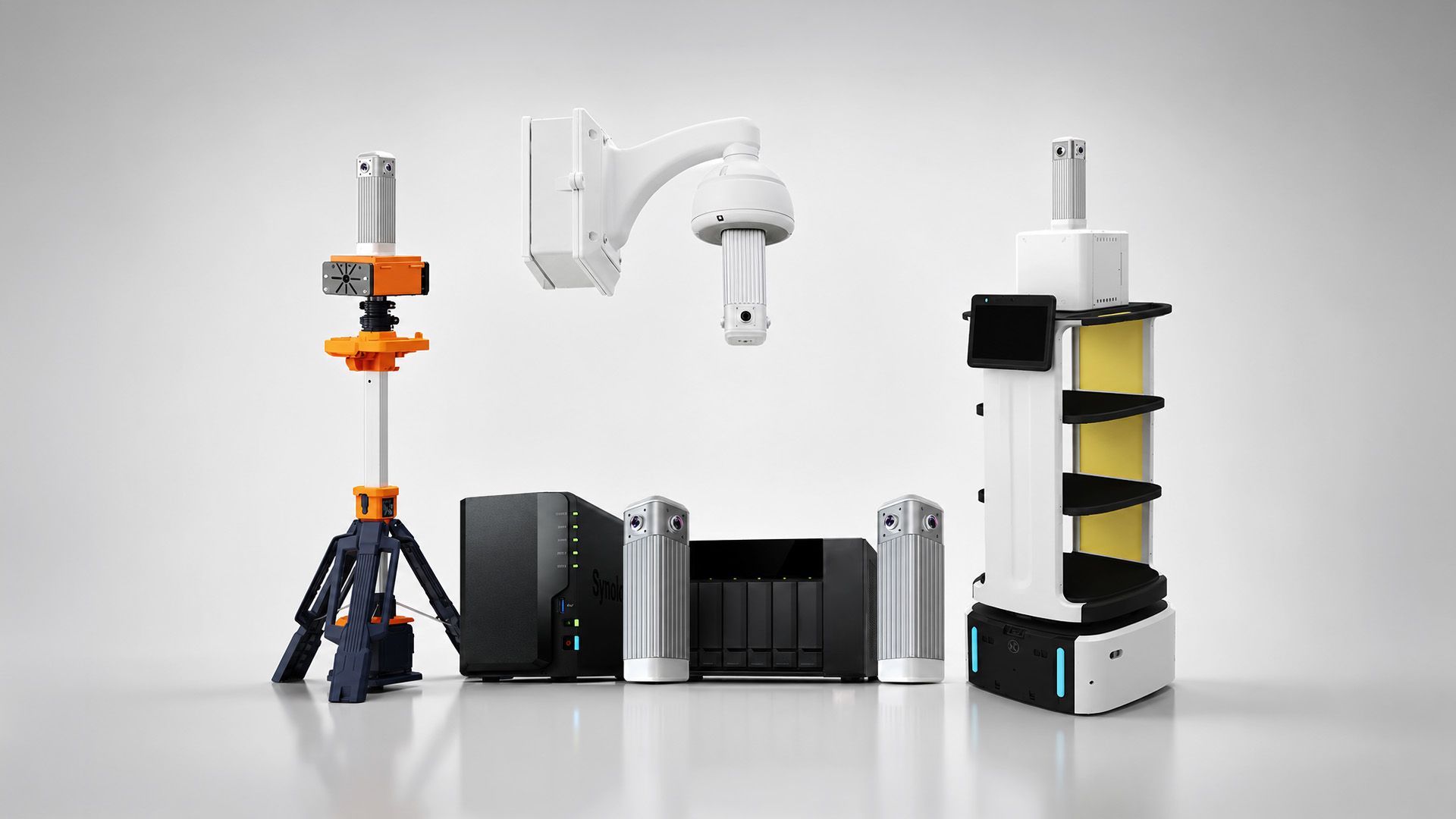
In mobile site awareness applications, Cupola360 provides the 360° panoramic vision layer, helping partner unmanned vehicles, robotic dogs, or autonomous mobile platforms capture broader surrounding video.
Compared with relying only on a front-facing camera, Cupola360 360° panoramic cameras allow remote operators to view the front, sides, and rear while the platform is moving. This helps reduce visual blind spots and preserves more complete field context for inspection, patrol, remote monitoring, and event review.
Cupola360 does not replace the unmanned vehicle or robotic platform. Instead, it provides the panoramic visual foundation that allows partners and system integrators to develop applications for inspection, reconnaissance, remote monitoring, event review, and site management based on richer visual context.
From Mobile Platforms to Reality Remote Management
The development of unmanned systems is creating new ways to manage sites that are high-risk, remote, or difficult for personnel to access continuously.
However, meaningful remote management is not only about sending video back to a control room. It is about enabling people to understand the site, assess events, and take action. This is the idea behind Cupola360’s Reality Remote Management: moving beyond monitoring to understand, manage, and act remotely.
When 360° panoramic vision is combined with unmanned systems, a mobile platform becomes more than a vehicle moving through a site. It becomes a visual node that continuously collects field context. This allows patrol, inspection, remote collaboration, and event review to be built on more complete on-site information.
Application Highlights
- Enables unmanned vehicles, robotic dogs, and mobile inspection platforms to capture 360° surrounding visibility
- Reduces visual blind spots caused by front-facing cameras
- Supports high-risk area inspection, facility patrol, critical infrastructure monitoring, and disaster site assessment
- Allows remote operators to view the front, sides, and rear while the platform is moving
- Preserves full field context for event review and abnormal situation assessment
- Allows different teams to choose their own viewing direction within the same panoramic scene
- Can be integrated with partner unmanned vehicles, robotic platforms, and system integration solutions
Related Resources
Related Products
Panoramic Camera
Ready-to -Deploy Solution
Experience Kits
Related Articles