

September 8, 2026
IP66 vs. IP67 | Protection Ratings for Outdoor Panoramic Cameras
Author
A higher IP number does not always mean a better fit. The right protection rating depends on the environment the device is designed to face.
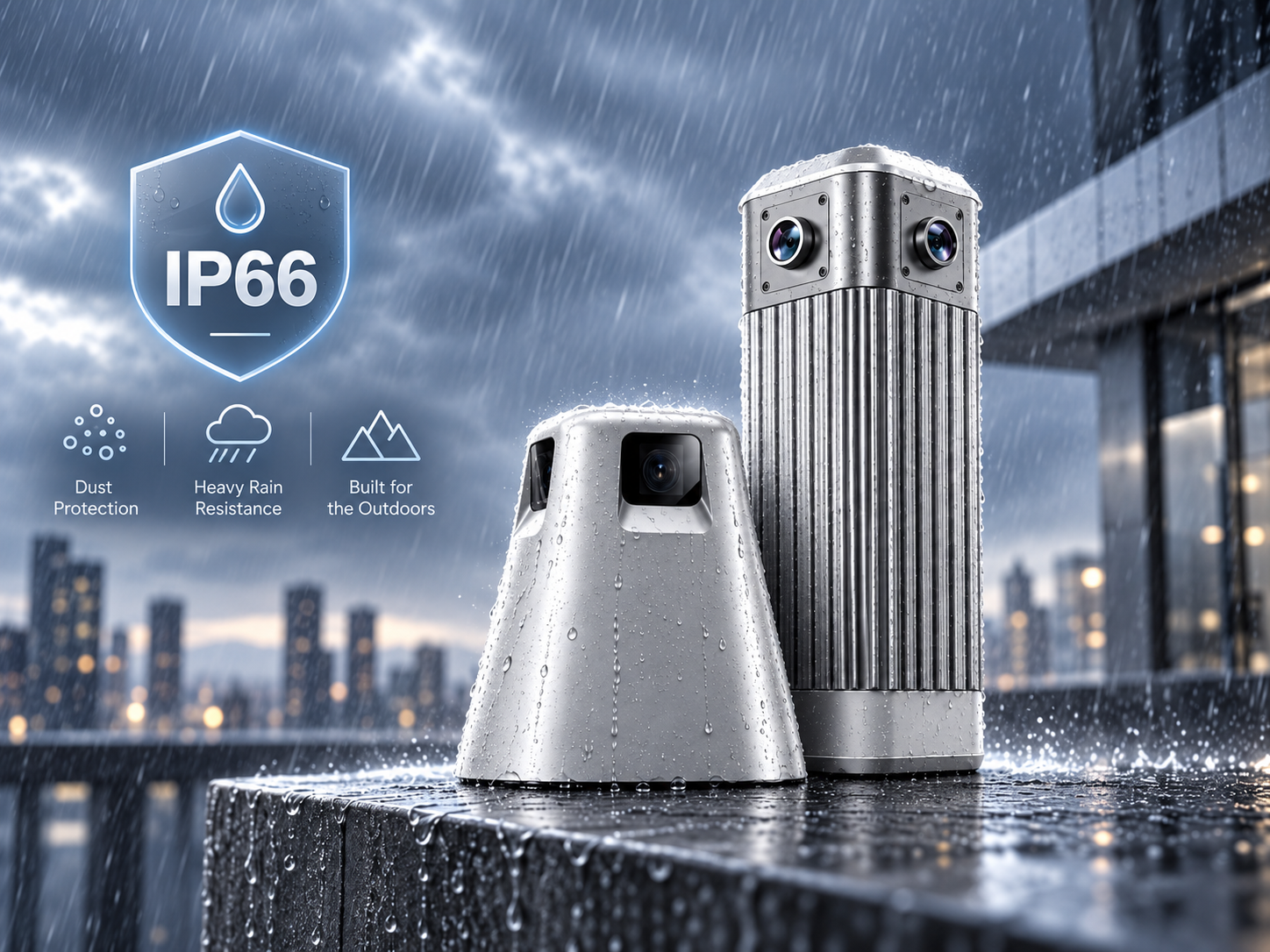
For outdoor cameras, industrial equipment, and monitoring devices, IP protection rating is one of the most common specifications customers look at. When people see IP66, IP67, or IP68, it is easy to assume that the larger number always means a higher level of protection.
In real-world deployment, however, IP ratings are not simply a ranking system. Different IP ratings represent different test conditions, and those test conditions are designed for different environmental risks. For outdoor panoramic cameras, the key question is not which number looks higher, but which protection standard best matches the actual application.
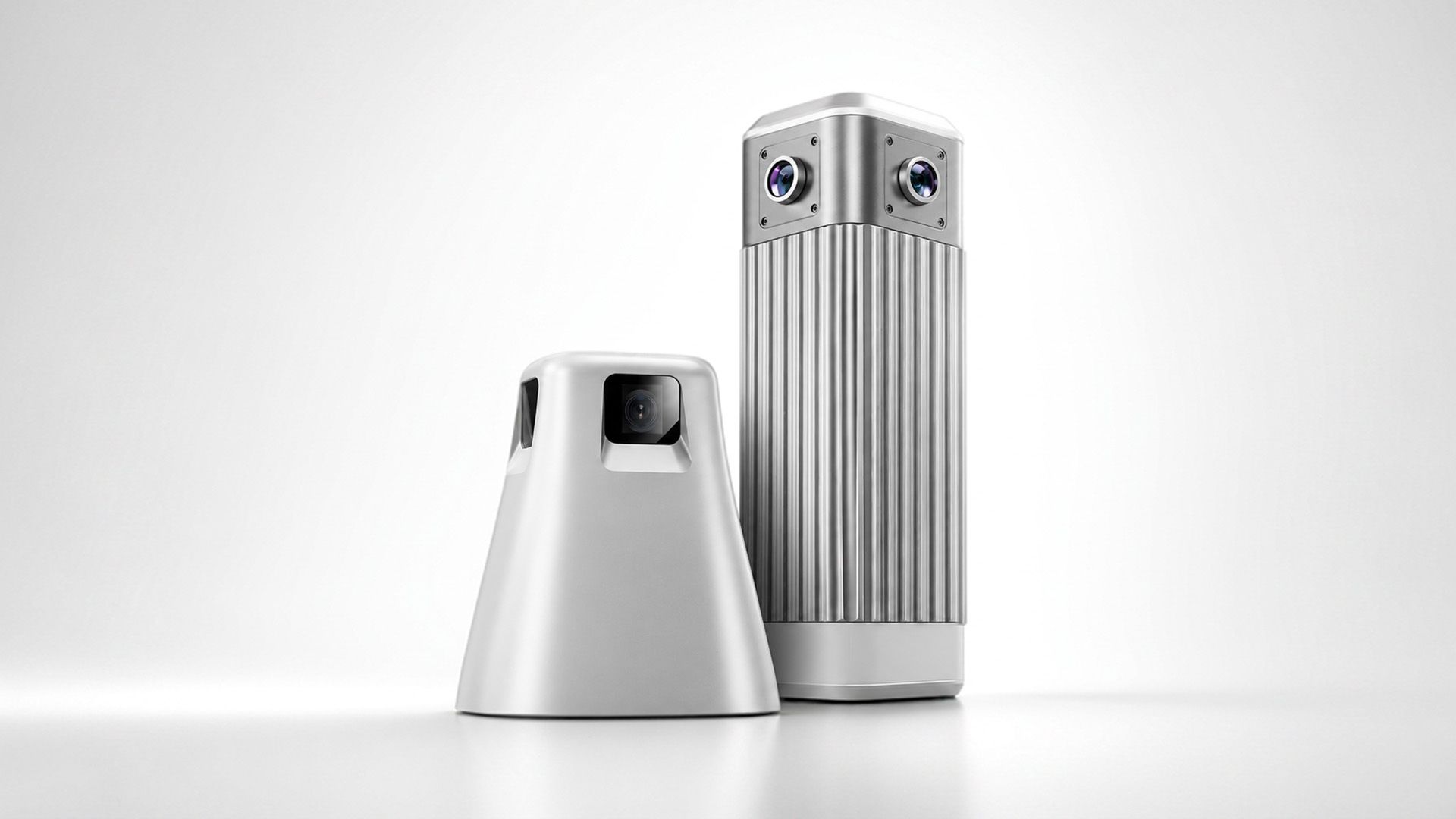
This is why Cupola360 uses IP66 as an important protection standard for its outdoor products.
What Does an IP Rating Mean?
An IP rating describes how well a device enclosure protects against solid particles and water ingress. The format is usually written as IPXX, where the first digit refers to protection against dust and solid objects, and the second digit refers to protection against water.
For IP66 and IP67:
- The first digit 6 indicates a high level of dust protection.
- The second digit indicates different water protection test conditions.
In other words, IP66 and IP67 share the same dust protection level, but they are tested against different types of water exposure.
The Difference Between IP66 and IP67
IP66 focuses on protection against powerful water jets. This test condition is relevant for heavy rain, wind-driven water, high-pressure cleaning, outdoor splashing, and equipment washdown scenarios.
IP67 focuses on temporary immersion. It is generally used to verify whether a device can withstand being submerged in still water at a depth of about 1 meter for approximately 30 minutes. This is more relevant for applications where a device may be briefly immersed, dropped into water, or temporarily covered by water.
This means IP66 and IP67 are not simply “lower” and “higher” versions of the same requirement. They address different risks:
| Protection Rating | Main Test Condition | Typical Application Fit |
|---|---|---|
| IP66 | Powerful water jets, heavy rain, washdown, outdoor splashing | Outdoor monitoring, industrial sites, equipment cleaning |
| IP67 | Temporary immersion in still water | Devices that may be briefly submerged or covered by water |
It is also important to note that IP67 focuses on immersion testing and does not automatically mean the product has passed the powerful water jet test required for IP66. A device with IP67 certification is not necessarily suitable for all IP66 use cases.
Why Outdoor Cameras Do Not Always Need IP67
For most outdoor cameras, the most common environmental challenge is not full submersion. Instead, the device is more likely to face:
- Long-term exposure to rain
- Heavy rain or wind-driven water during storms
- Dust, sand, or airborne particles
- Water jets during site cleaning
- Outdoor humidity and temperature variation
In these scenarios, the device must withstand rain, splashing, powerful water jets, dust ingress, and long-term outdoor exposure. These conditions are more closely aligned with IP66 testing.
If an outdoor camera is installed on a building exterior, road intersection, factory perimeter, parking area, campus, tourist site, or public space, it is typically not designed to remain underwater. In this type of deployment, resistance to heavy rain, water jets, outdoor dust, and cleaning conditions is often more relevant than temporary immersion.
Why Cupola360 Chooses IP66
Cupola360 products are designed to support long-term operation in real outdoor and industrial environments. These may include factories, warehouses, parking areas, campuses, public spaces, tourist sites, transportation locations, and outdoor monitoring points.
In these applications, cameras are more likely to encounter heavy rain, dust, strong wind, splashing, and equipment cleaning, rather than underwater operation or temporary submersion. For this reason, IP66 is better aligned with the primary deployment scenarios of Cupola360 outdoor panoramic cameras.
By choosing IP66, Cupola360 focuses on practical protection for common outdoor harsh environments. For most outdoor monitoring and remote site management applications, IP66 provides a reliable weatherproof and dustproof foundation, helping devices maintain stable operation under different site and climate conditions.
When Does IP67 Matter More?
If an application involves temporary immersion, standing water, underwater operation, or a risk that the device may be covered by water, then IP67, IP68, or an additional waterproof enclosure may be more important.
Examples include:
- Installation locations with potential flooding or standing water
- Cameras that may be temporarily submerged
- Applications near pools, tanks, rivers, or underwater environments
- Projects with specific immersion test requirements
In these cases, the protection design should not be evaluated as a general outdoor rainproof requirement. It should be based on the actual environmental risk and project specifications.
For special environments, additional waterproof housings or customized installation designs can also be considered to meet project requirements.
What to Consider When Choosing an IP Rating
When evaluating the protection rating for an outdoor camera, it is better not to compare IP numbers alone. Instead, start from the actual deployment environment:
- Will the device be exposed to rain, or could it be submerged?
- Will the site use water jets for equipment cleaning?
- Is there dust, sand, oil mist, or other airborne contamination?
- Is the installation point likely to accumulate water?
- Does the device need to operate outdoors for long periods?
- Are there specific industry standards or customer acceptance requirements?
These questions make it easier to see why IP66 and IP67 are not simply different levels of the same requirement. They are different protection choices for different use conditions.
Conclusion
For outdoor panoramic cameras, protection design is not about chasing the largest IP number. It is about choosing the protection capability that best matches the actual application.
IP66 focuses on powerful water jets, heavy rain, and outdoor splashing, making it suitable for most outdoor monitoring, industrial site, and remote site management applications. IP67 focuses on temporary immersion, making it more suitable for devices that may face submersion or water coverage.
Cupola360 chooses IP66 because its products are primarily designed for real outdoor deployment conditions: rain, dust, wind, washdown, and long-term operation.
The real question is not which number looks higher. It is whether the protection standard matches the challenges the device will actually face in the field.
Related Resources
Related Products
Cupola360 Panoramic Camera
Related Articles