


Swimming Pool Safety Monitoring: Why AI Drowning Detection Needs Full Visibility
Swimming Pool Safety Monitoring: Why AI Drowning Detection Needs Full Visibility
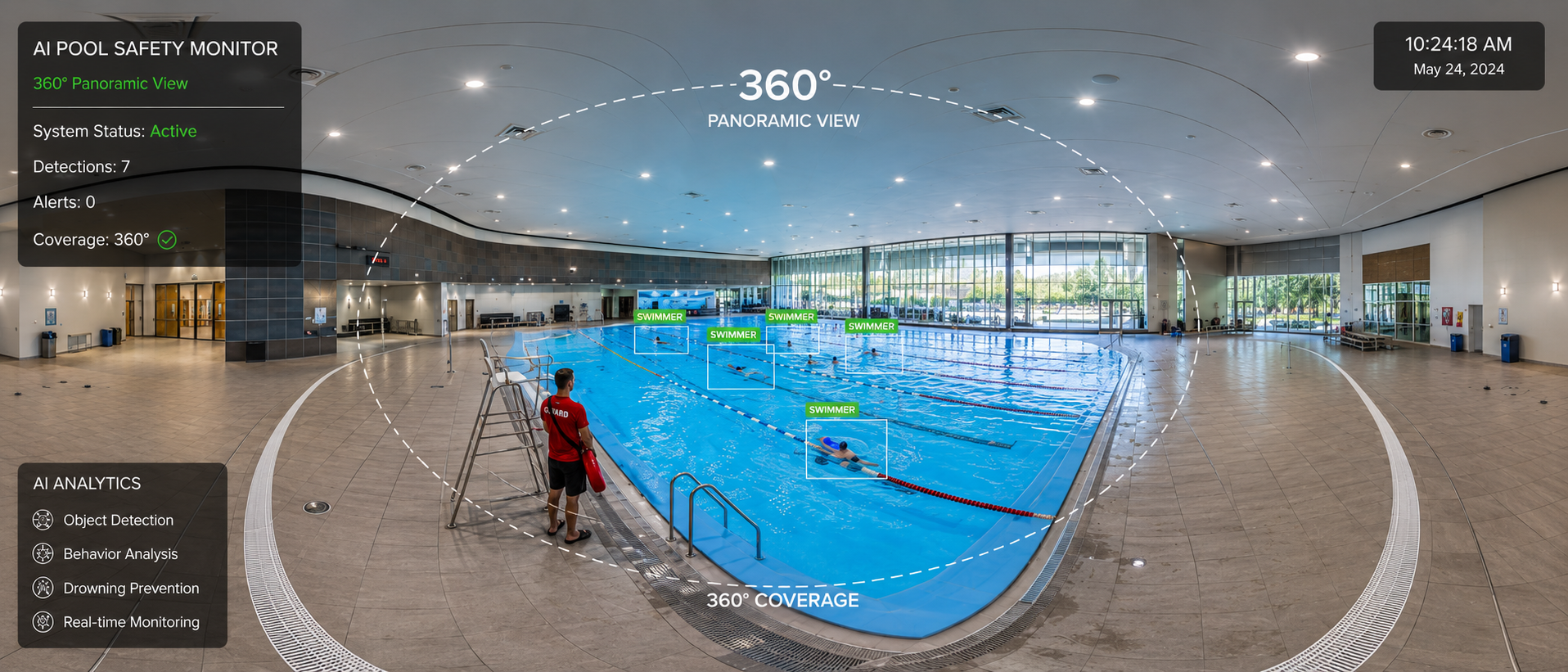
Swimming pools are places for exercise, recreation, and family activities, especially during the summer. Public pools, hotels, schools, sports centers, and community facilities all rely on lifeguards and safety teams to keep swimmers safe.
However, swimming pools can also be high-risk environments. When someone experiences sudden discomfort, cramps, fatigue, or a drowning emergency, the first few seconds are critical. In a crowded pool, a swimmer in distress may not be easy to identify. They may not shout for help, and their movement may look similar to floating, resting, playing, or breath-holding practice.
This is why many facilities are beginning to adopt AI drowning detection and AI-assisted pool monitoring systems. These technologies can help detect abnormal behavior and alert staff when something unusual happens. But AI detection depends on one essential condition: the system must be able to clearly see the areas it is expected to monitor.
Why Visibility Matters in AI Pool Monitoring
AI detection does not begin with the algorithm. It begins with visibility.
If a camera cannot capture the corner of a pool, the area near a ladder, the pool edge, or a crowded zone with overlapping swimmers, the AI has no visual data to analyze. In that case, the issue is not only whether the AI model is accurate. The more fundamental question is whether the scene was fully visible in the first place.
Swimming pools are visually complex environments. Water reflection, ripples, splashing, lane dividers, lighting changes, and partial submersion can all make it harder for both AI systems and human operators to understand what is happening in real time. Even with trained lifeguards on site, it is difficult to monitor every corner of a pool area at every moment.
Common Blind Spots in Swimming Pool Safety Monitoring
Blind spots are one of the biggest challenges in AI-assisted pool safety. A blind spot is not always just a physical area outside the camera frame. In real-world pool environments, blind spots can appear in several ways.
- Geometric blind spots occur when corners, pool edges, ladders, children’s areas, or deep-water zones fall outside the camera’s field of view.
- Occlusion blind spots happen when a swimmer is blocked by other people, lane dividers, pillars, pool structures, or equipment.
- Visual complexity can also affect detection. Water reflection, splashing, ripples, and partial submersion may make a swimmer difficult to recognize clearly.
- Behavioral ambiguity is another challenge. In a pool, abnormal behavior may look similar to normal swimming, floating, resting, or playing.
- Operational blind spots can happen even after an alert is generated. Staff still need to know where the alert comes from, who should respond, and how quickly action should be taken.
This is why swimming pool safety monitoring should not be evaluated only by AI detection accuracy. Camera placement, field of view, coverage design, and response workflow are just as important.
What Facilities Should Consider Before Deploying AI Drowning Detection
Before deploying an AI drowning detection system, facility teams should first evaluate whether all high-risk areas are clearly visible. This includes pool corners, edges, ladders, entrances, children’s areas, deep-water zones, and areas where swimmers may overlap or gather.
Teams should also consider whether the system provides enough context for staff to respond quickly. A reliable AI-assisted pool monitoring system should support lifeguards with better situational awareness, not create a false sense of security.
AI can help detect potential risks faster, but it should work together with trained personnel, safety procedures, and clear response workflows.
How 360° Panoramic Vision Can Support Pool Safety
This is where 360° panoramic vision becomes relevant.
A wider field of view can help reduce fragmented monitoring and provide a more complete understanding of the poolside environment. Instead of relying only on multiple narrow camera angles, panoramic vision can help teams see more of the full scene with better context.
For AI-assisted pool monitoring, broader visibility can support better coverage planning, incident review, and human-AI collaboration. It does not replace lifeguards, safety procedures, or human judgment. However, it can help teams identify coverage gaps, understand where incidents occur, and improve how monitoring systems are deployed.
Conclusion
AI drowning detection can be an important tool for swimming pool safety monitoring, but it should not be treated as a standalone solution. Its performance depends on what the camera system can see and how the entire monitoring workflow is designed.
For public pools, hotels, schools, sports centers, and recreational facilities, safety monitoring should be built on visibility, context, and human-AI collaboration.
Before AI can detect danger, the system must first see the full scene.
Related Resources
Related Prodcuts
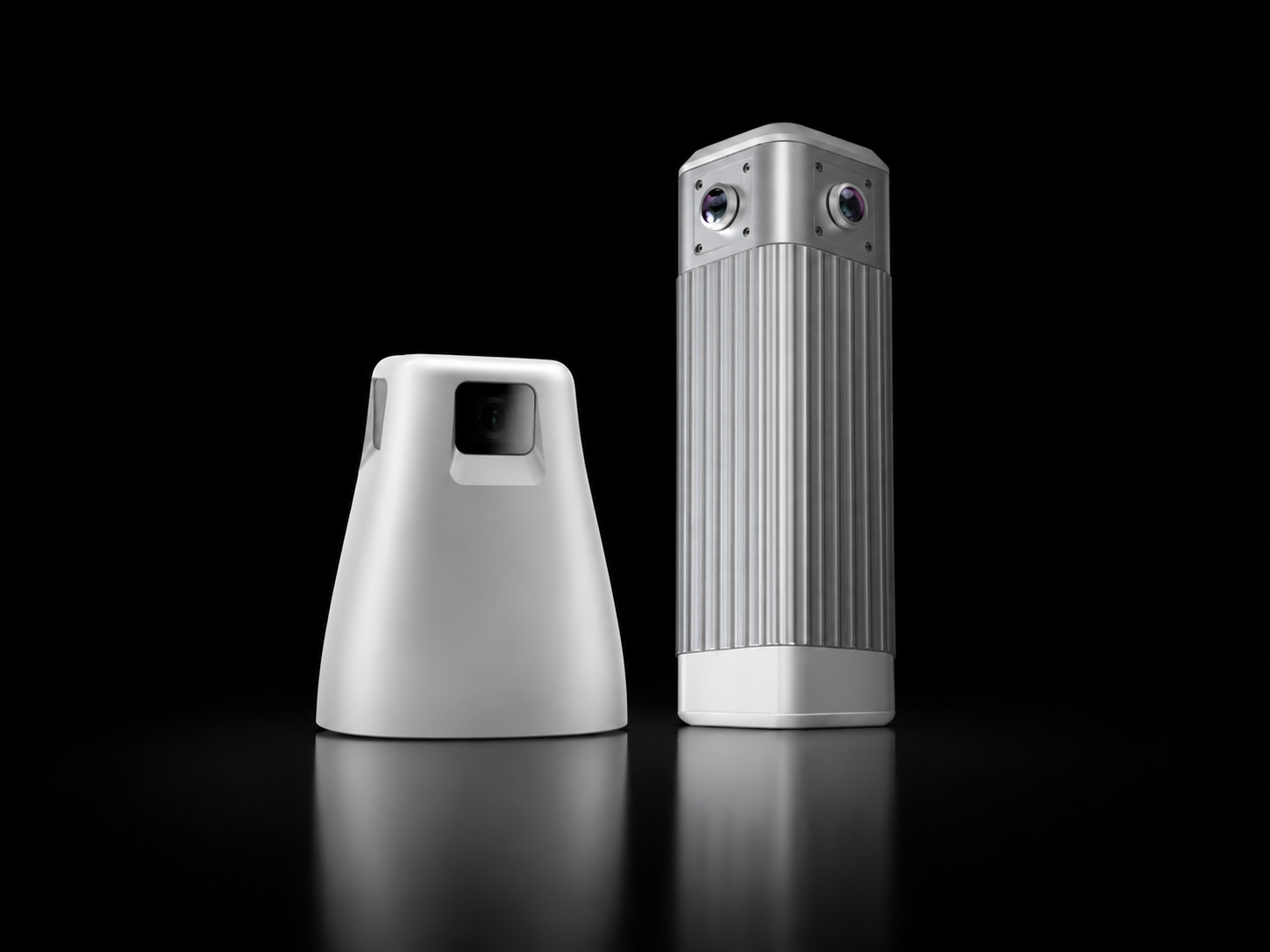
Panoramic Camera
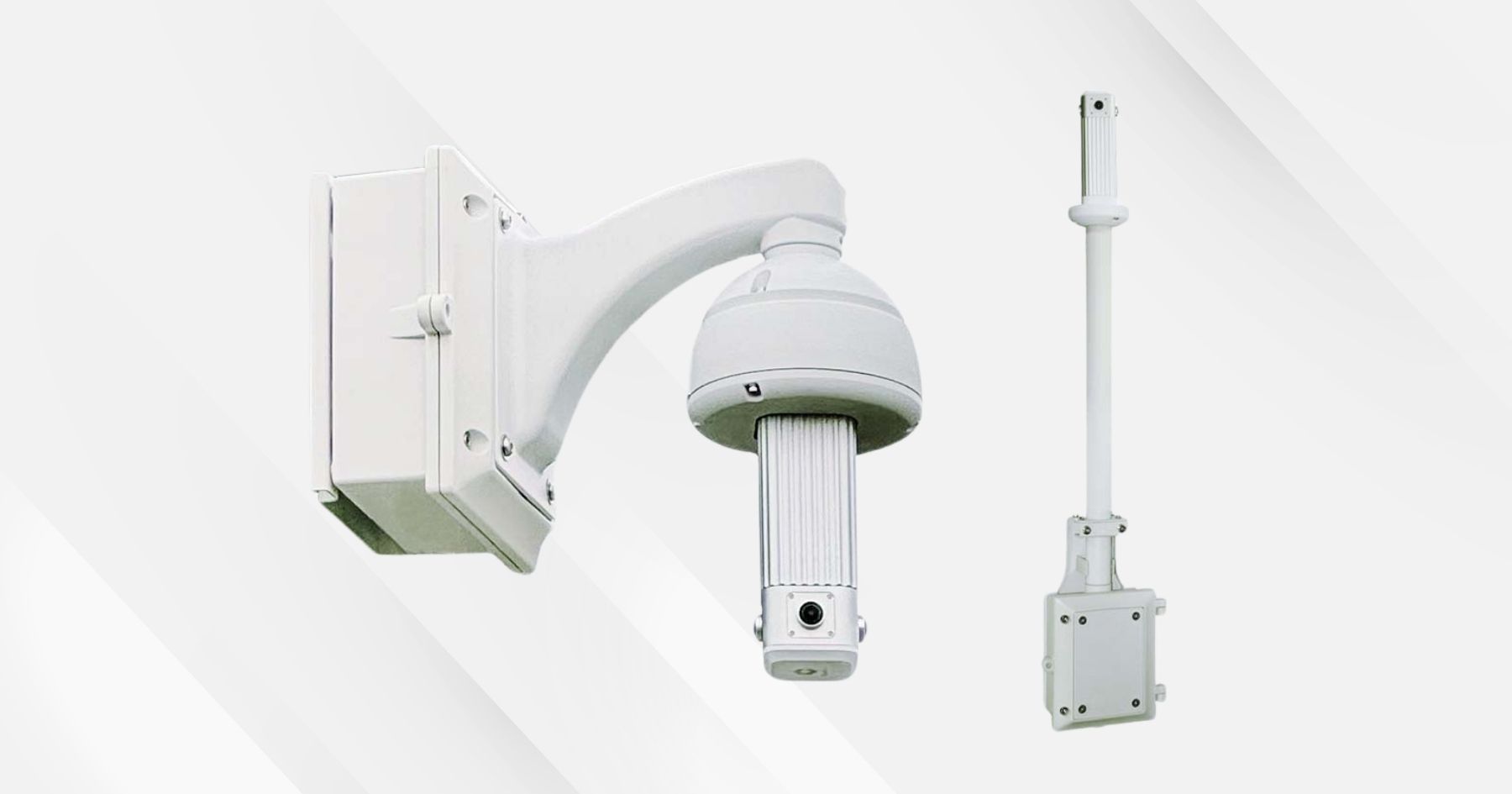
Panoramic Station Kit
Fixed mounting bracket + 360° Camera
Related Articles