Kaohsiung Traffic Monitoring : 360° Cameras for Map-Based City Awareness
How panoramic cameras can complement traditional traffic views and third-party city platforms.

Kaohsiung, Taiwan is one of the country’s major southern cities, with busy intersections, public transportation routes, tourism areas, parking zones, and dense urban traffic activity.
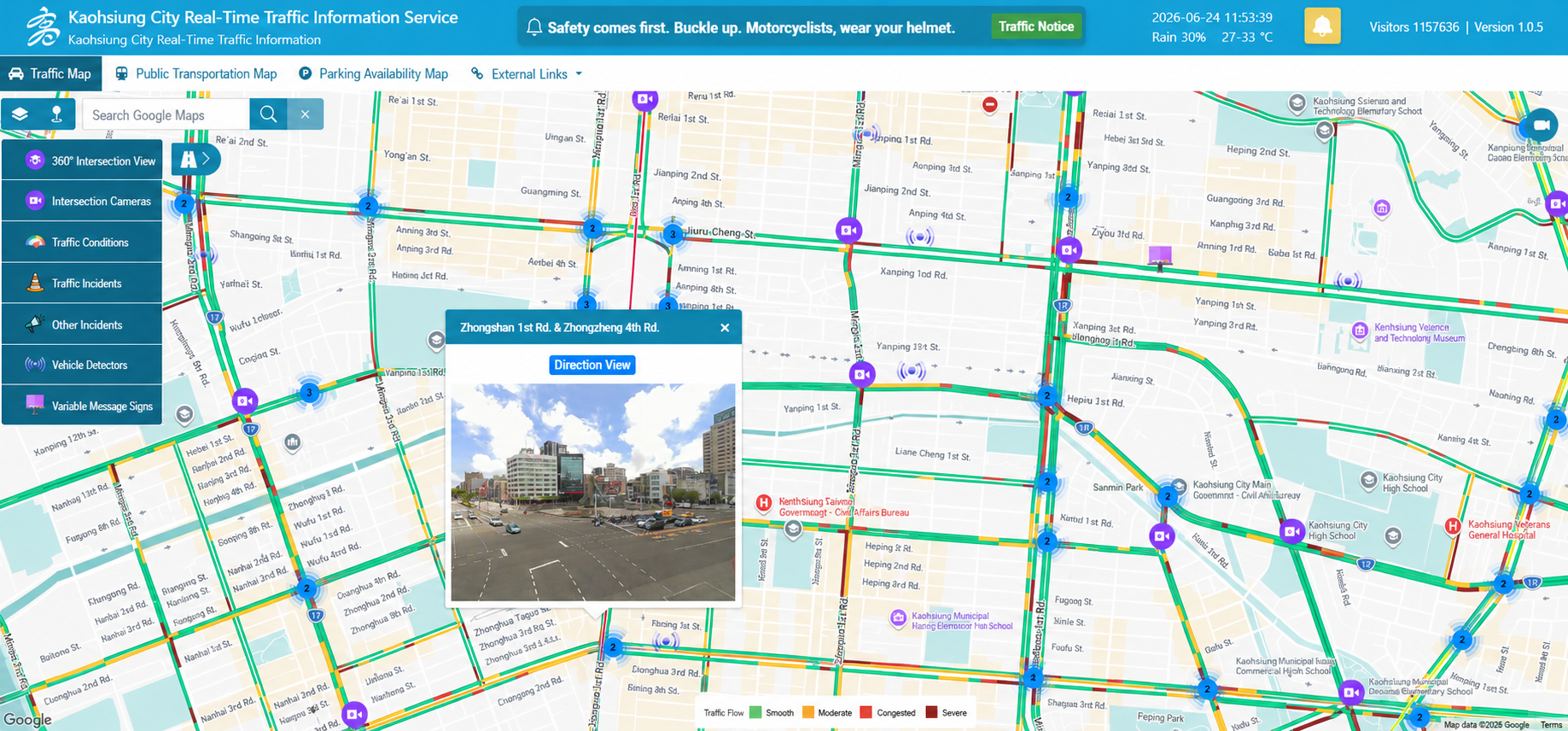
To support real-time traffic awareness, Kaohsiung City provides a map-based traffic information platform that brings together road status, traffic events, parking information, vehicle detector data, traditional camera feeds, and 360° panoramic camera views.
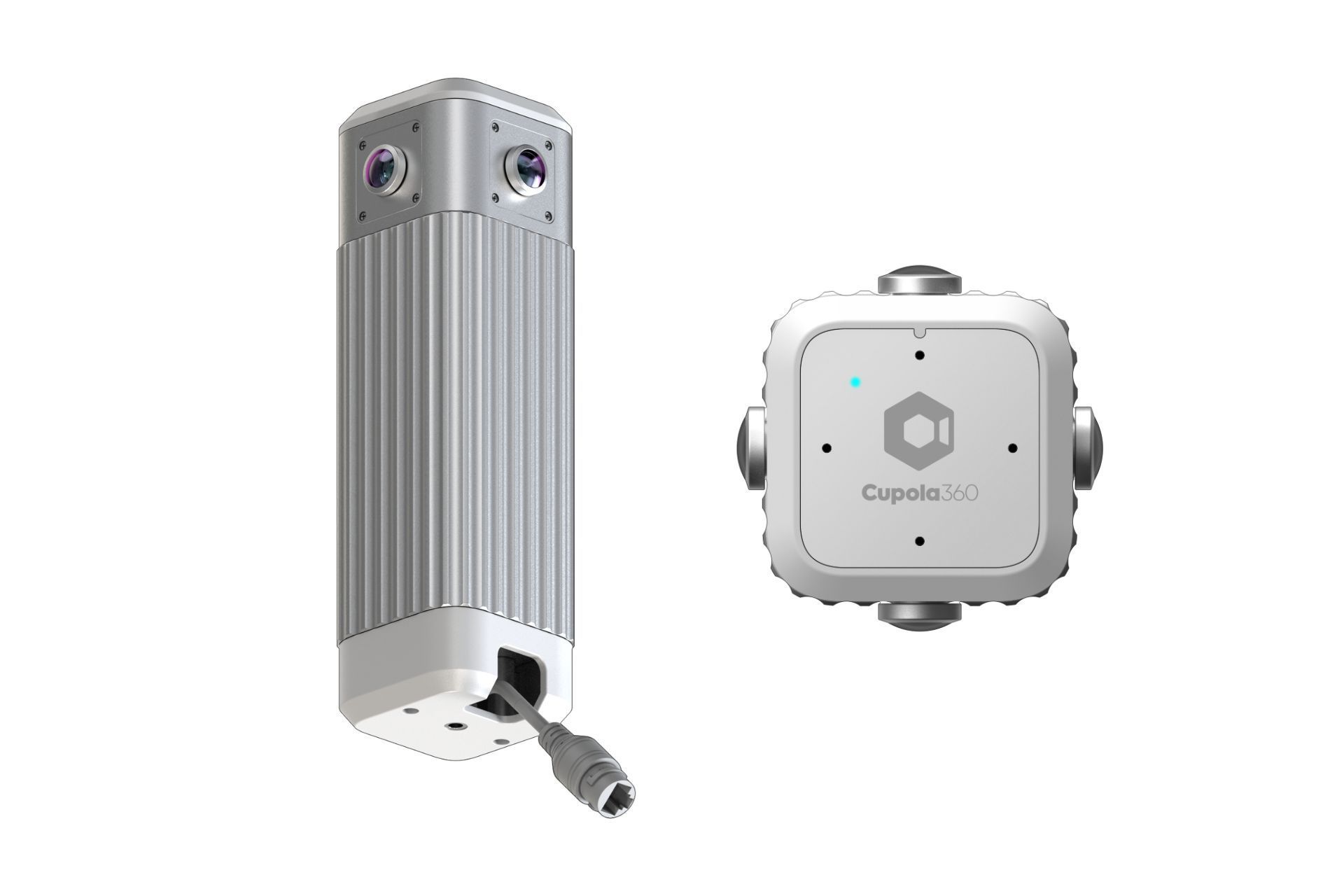
In this application reference, Cupola360 shares how 360° panoramic cameras can work as one visual layer within this type of map-based traffic platform. The goal is not to replace traditional cameras or existing city systems, but to complement them with wider scene awareness.
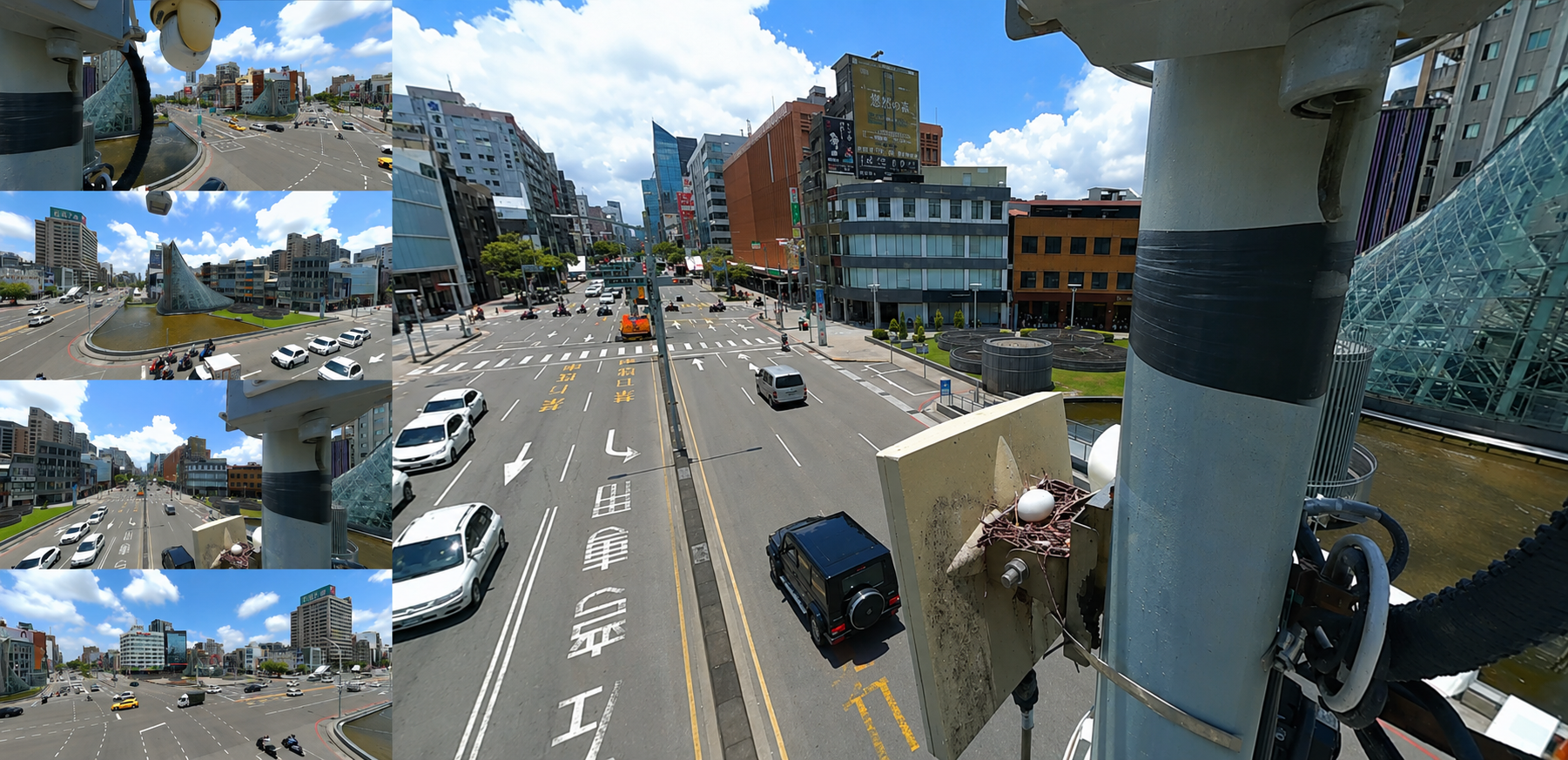
Traditional traffic cameras are useful for focused views of specific roads, lanes, or directions. 360° panoramic cameras add broader context by capturing the full surrounding environment from a single camera point. When used together, they help users move from checking isolated camera angles to understanding the full scene around an intersection or public space.
The Challenge: Traffic Monitoring Needs Both Detail and Context
Urban traffic environments are complex. A single intersection may include vehicles moving from multiple directions, scooters, buses, pedestrians, parking activity, nearby public facilities, and unexpected incidents.
Traditional cameras provide important detail, but one camera angle may not explain the whole situation. Congestion may be related to a nearby event, an incident on another road, a turning lane, pedestrian movement, or surrounding traffic flow.
For city monitoring, operators and users need both focused views and wider context. This is where 360° panoramic vision can add value.
The Application: 360° Views Inside a Map-Based Traffic Platform
On Kaohsiung’s real-time traffic platform, users can access different map layers, including traffic status, traditional roadside camera views, 360° intersection camera points, parking information, traffic incidents, vehicle detector information, and other event markers.
This map-based interface makes the experience more intuitive. Users can start from the location they care about, check road conditions through color-coded traffic status, and open relevant camera views when they need more visual context.
In this setup, 360° panoramic cameras help extend the platform’s visual coverage. Instead of showing only one fixed direction, a 360° camera can provide a fuller view of the intersection or surrounding public area.
Note: Screenshot adapted and translated from Kaohsiung City Real-Time Traffic Information Platform. Translation is provided for illustrative purposes only. Original platform: https://traffic.tbkc.gov.tw/
Why 360° Panoramic Cameras Matter
For smart city and traffic monitoring applications, adding more cameras is not always the best answer. What matters is whether the visual information helps users understand the situation faster and more clearly.
360° panoramic cameras can support:
- Wider intersection awareness from one camera point
- Better context around traffic flow and roadside activity
- Reduced blind spots in complex public environments
- Faster event verification when incidents occur nearby
- Stronger integration with existing cameras and map-based systems
- More flexible monitoring for intersections, tourism areas, parking lots, and public spaces
The value of panoramic vision is not only in seeing a wider image. It is in helping people understand the relationship between the camera view, the location, and the surrounding situation.
Supporting Existing Infrastructure, Not Replacing It
This use case shows an important direction for smart city monitoring: 360° cameras do not need to replace traditional cameras. Instead, they can work alongside existing infrastructure and third-party platforms.
Traditional cameras provide detail.
360° panoramic cameras provide context.
Map-based platforms connect the visual information with location, traffic status, and event data.
Together, these elements can create a more complete monitoring experience for traffic management, public space awareness, and remote city operations.
For Cupola360, this reference demonstrates how panoramic camera technology can be integrated into broader monitoring ecosystems to help teams and users move from separate camera feeds to fuller site awareness.
Note
Cupola360 provides 360° panoramic camera technology for visual integration scenarios. The overall platform, map data, traffic layers, and system operation are managed by the respective platform owner or service provider.
Key Highlights
- 360° panoramic cameras used as a visual layer within a map-based traffic platform
- Traditional camera views and 360° views support different monitoring needs
- Road traffic status, event markers, parking information, and detector data provide additional context
- Map-based access helps users find camera points by location
- Panoramic vision helps users understand full-scene conditions around intersections and public areas
- Demonstrates how Cupola360 cameras can complement existing traffic and city monitoring infrastructure